This page is general wellbeing writing, not therapy, diagnosis, treatment, crisis support, or medical advice. Use qualified support for persistent, severe, unsafe, or health-related concerns.
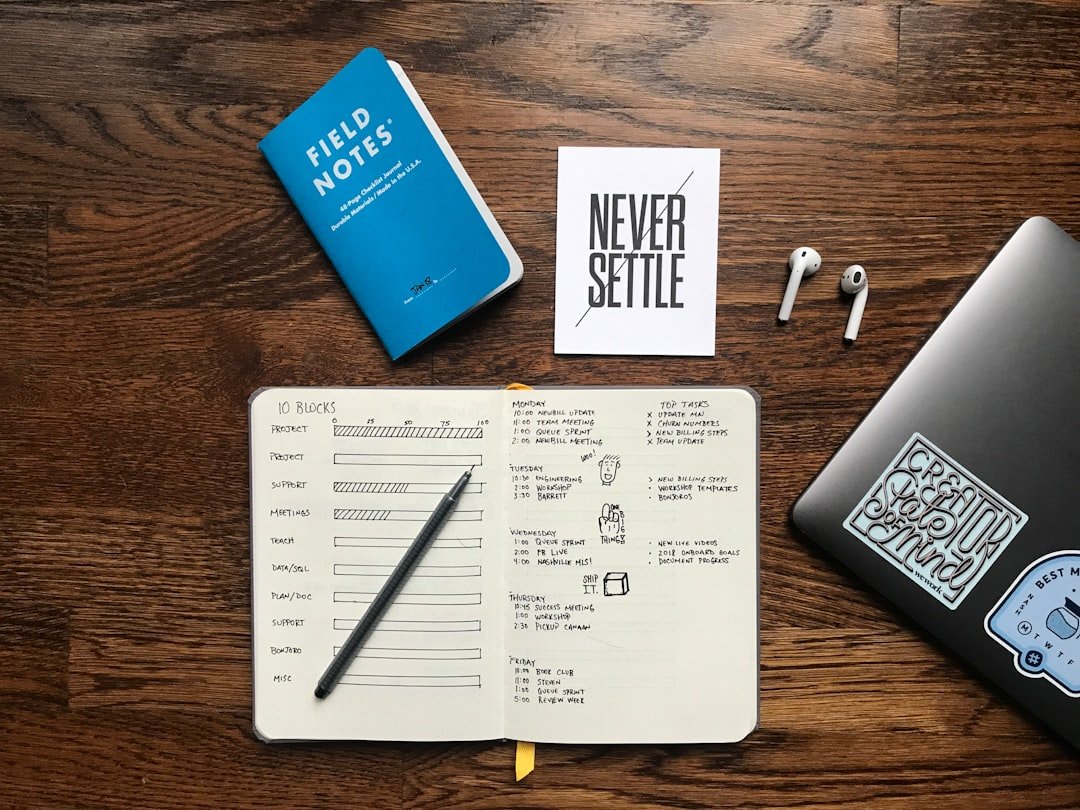
The habit used to help. Now the reminder, tracker, streak, or ideal version makes you tense before you begin.
A habit can outgrow its original kindness.
The less dramatic truth
The form may need to change before the value disappears.
Instead of quitting or forcing, look for the part that became performative, too frequent, too visible, or too all-or-nothing.
One ordinary move
Keep the value, loosen the rule.
Ask what the habit was meant to give you, then choose a lower-pressure version that still gives some of that.
- Remove tracking for one week.
- Lower the frequency.
- Do the private version instead of the visible version.
A usable sequence
Notice, narrow, choose, and leave room to revise.
Begin by naming the scene without turning it into a character judgment. Then narrow the time frame: the next ten minutes or the next hour is usually easier to care for than the whole week.
Choose one action that changes the pressure a little. It may be food, quiet, a shorter reply, a closed door, a changed plan, a glass of water, or permission to stop. The action does not have to solve the larger story to be useful.
Afterward, notice what became easier and what remained hard. That second look is information, not a score. You can repeat the care, change it, ask for help, or decide that the situation needs more support than a small practice can provide.
Two traps to leave out
Do not make the small step prove too much.
The first trap is asking one act of care to settle every question. A meal cannot explain a whole mood. A short reply cannot repair every distance. Ten minutes of rest cannot repay months of exhaustion. The action can still matter because it changes one condition in the present. That is a useful job, even when it is not the whole job.
The second trap is turning the practice into a new standard you must now perform perfectly. If the smaller version helps today, use it today. If it does not fit tomorrow, revise it. Care should reduce unnecessary pressure, not become another place where you can fail an invisible test.
Return to the moment later
Let the follow-up be curious instead of prosecuting.
When there is a little more room, return to what happened. Ask what made the moment harder, what made the chosen step possible, and what support would make the same situation less costly next time. Keep the questions concrete. You are gathering usable information about capacity, timing, environment, expectations, and support.
You may discover that the small practice was enough. You may need a clearer boundary, a practical change, a conversation, a different routine, or qualified help. None of those answers makes the first step foolish. The first step created enough room to see the next one more honestly.
A useful follow-up can also be very ordinary: write one note, move one object, tell one person what would help, or decide when you will look again. Closing the loop does not require a dramatic insight. It only needs a next point of contact that you can realistically keep.
Keep this sentence nearby: I can adjust the rule without abandoning the care.
What it does not mean
Keep the permission from becoming another rule.
- It does not mean discipline is bad.
- It does not mean the habit never helped.
- It does not mean you are incapable of consistency.
A sentence to keep nearby
I can adjust the rule without abandoning the care.
Let the habit serve the person again.
Care boundary
When ordinary care is not enough
If this feeling is persistent, severe, unsafe, connected to trauma, or affecting daily functioning, this page is not a substitute for qualified mental-health, medical, or crisis support.